VR Game Design — Pixelongate

Workshop Case Studies

5 Published Case Studies

Each study documents a real workshop cycle — the design problems tackled, the tools used, and what participants built by the end of the session.

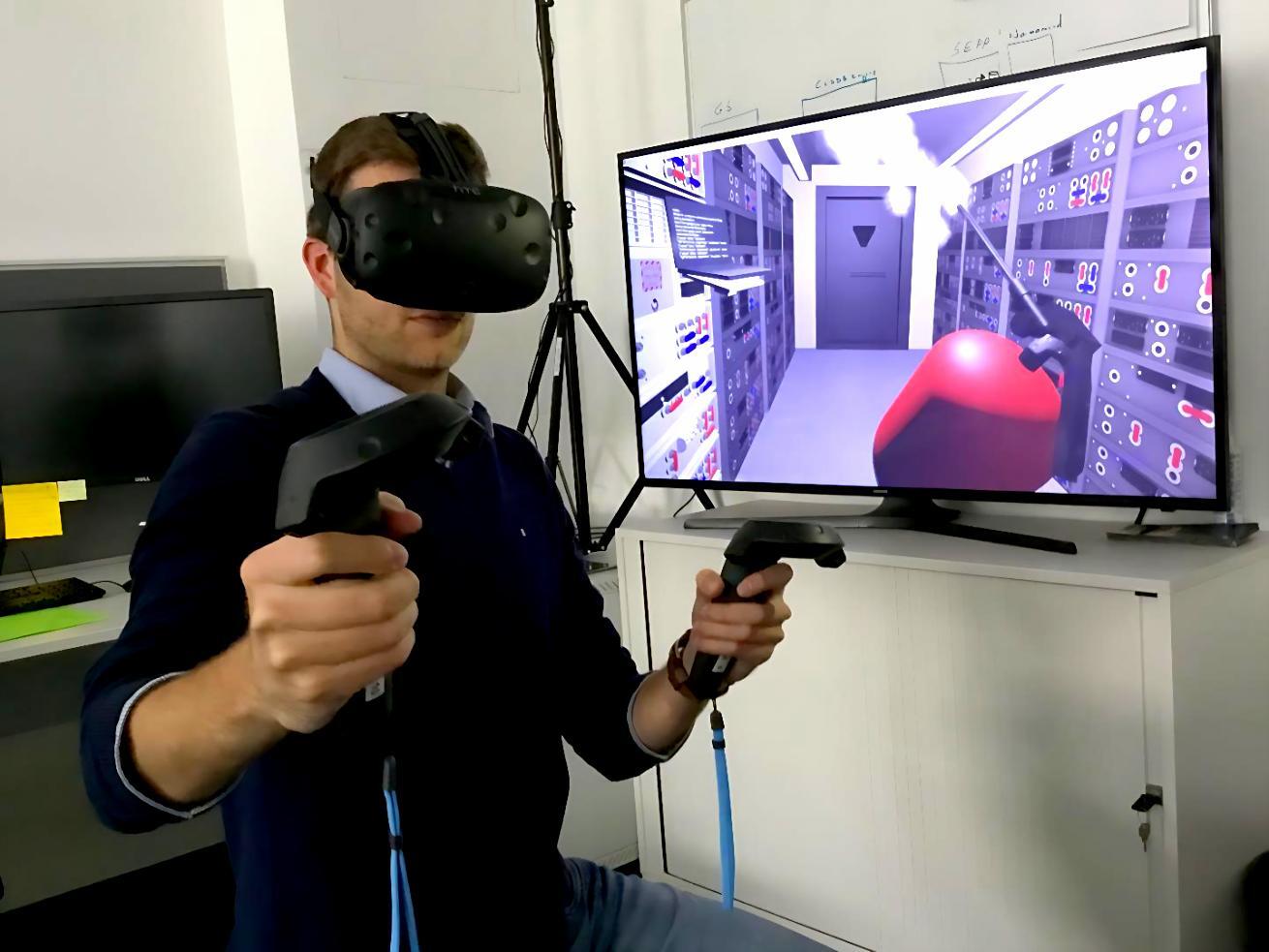
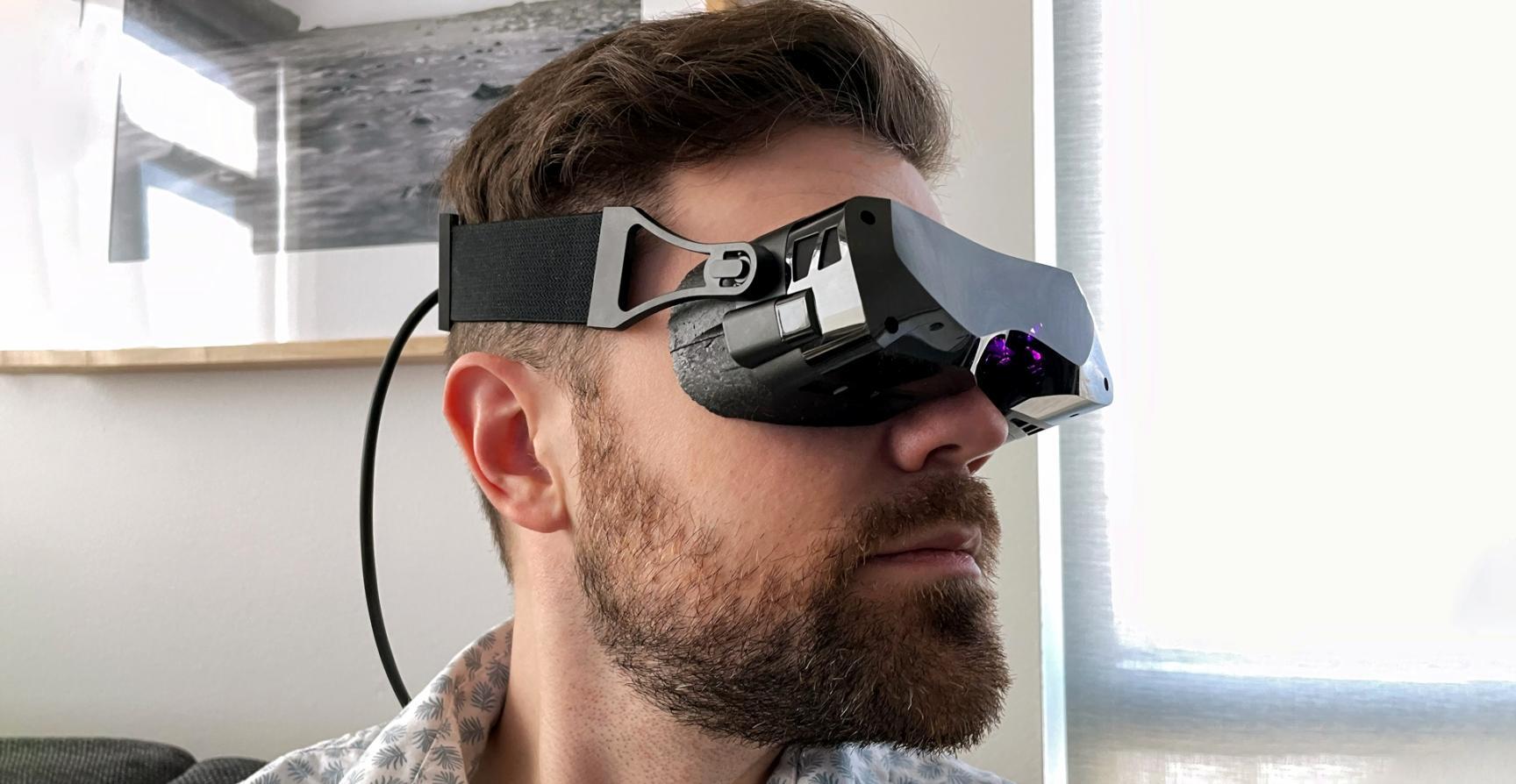
Pixelongate VR game design workshop participants working on interactive prototypes
All Studies

What Participants Built

Why Your VR Player Keeps Getting Sick: Locomotion Errors Students Repeat
Before and After: Locomotion Design in Student VR Projects

Why Your VR Player Keeps Getting Sick: Locomotion Errors Students Repeat

A before-and-after breakdown of the most damaging locomotion design mistakes in student VR projects, with concrete fixes that change how players feel inside your world.

537
Read case study
Floating Menus at the Wrong Depth: A UI Placement Problem Students Keep Building
Depth, Eye Strain, and Where Student UI Designs Go Wrong

Floating Menus at the Wrong Depth: A UI Placement Problem Students Keep Building

Student VR designers consistently place UI elements at distances that cause eye strain. Here is a specific breakdown of what goes wrong and how depth-aware placement fixes it.

249
Read case study
Objects That Feel Wrong to Touch: Scale Errors in Student VR Environments
How Proportion Decisions Either Build or Break Player Presence

Objects That Feel Wrong to Touch: Scale Errors in Student VR Environments

When virtual objects do not match their expected physical size, players lose presence immediately. This case study shows how student scale errors form and how accurate proportions rebuild trust in the space.

83
Read case study
Grabbing Objects That Feel Like Nothing: Haptic and Visual Feedback Failures
What Happens When Feedback Systems Are Treated as Optional

Grabbing Objects That Feel Like Nothing: Haptic and Visual Feedback Failures

Students designing VR hand interactions often skip or underbuild feedback systems, making objects feel ghostly and unconvincing. A before-and-after look at what changes when feedback is taken seriously.

970
Read case study
Players Who Never Learn the Controls: Onboarding Failures in Student VR Games
Designing for Players Who Have Never Worn Your Headset Before

Players Who Never Learn the Controls: Onboarding Failures in Student VR Games

Student VR projects frequently lose players in the first 90 seconds because the onboarding assumes too much. A case study in what happens when tutorials are designed around the creator's knowledge instead of the player's experience.

142
Read case study
Pixelongate workshop session showing VR design process in practice
About the Workshop Format

How Sessions Actually Run

Each cycle runs 6 weeks, 3 sessions per week, with deliverables due at every stage.

Pixelongate workshops use VR game design as the medium for teaching spatial thinking, player psychology, and iterative prototyping. Sessions alternate between structured input and hands-on build time using Unity and WebXR.

Participants work on real design problems — not fabricated exercises. By week three, everyone has a playable prototype.

  • Group critiques with structured feedback protocols
  • Access to recorded sessions and annotated design files
  • Asynchronous review between live meetings
See full programme
Workshop Progression

From concept to playable

Each case study maps to one stage in the design funnel. Watch the shape narrow as teams move from broad research toward a finished, testable VR experience.

01
Research & Spatial Brief
02
Concept Sketching in 3D
03
Mechanic Prototyping
04
Playtest & Iteration
05
Final Deliverable
What each case study includes
Full design brief and constraints given to the group at session start
Annotated prototype screenshots with instructor commentary
Participant feedback transcripts from the final critique session
Key decisions that changed direction mid-cycle and why
Honest assessment of what worked and what the group would redo