
Where do VR game ideas actually come from?
At Pixelongate, we look at that question from a craft angle — spatial mechanics, interaction loops, player psychology — and teach participants to answer it through building, not theorising.
Each workshop runs as a sequence of structured assignments, moving from a blank scene to something you can put a headset on and feel.
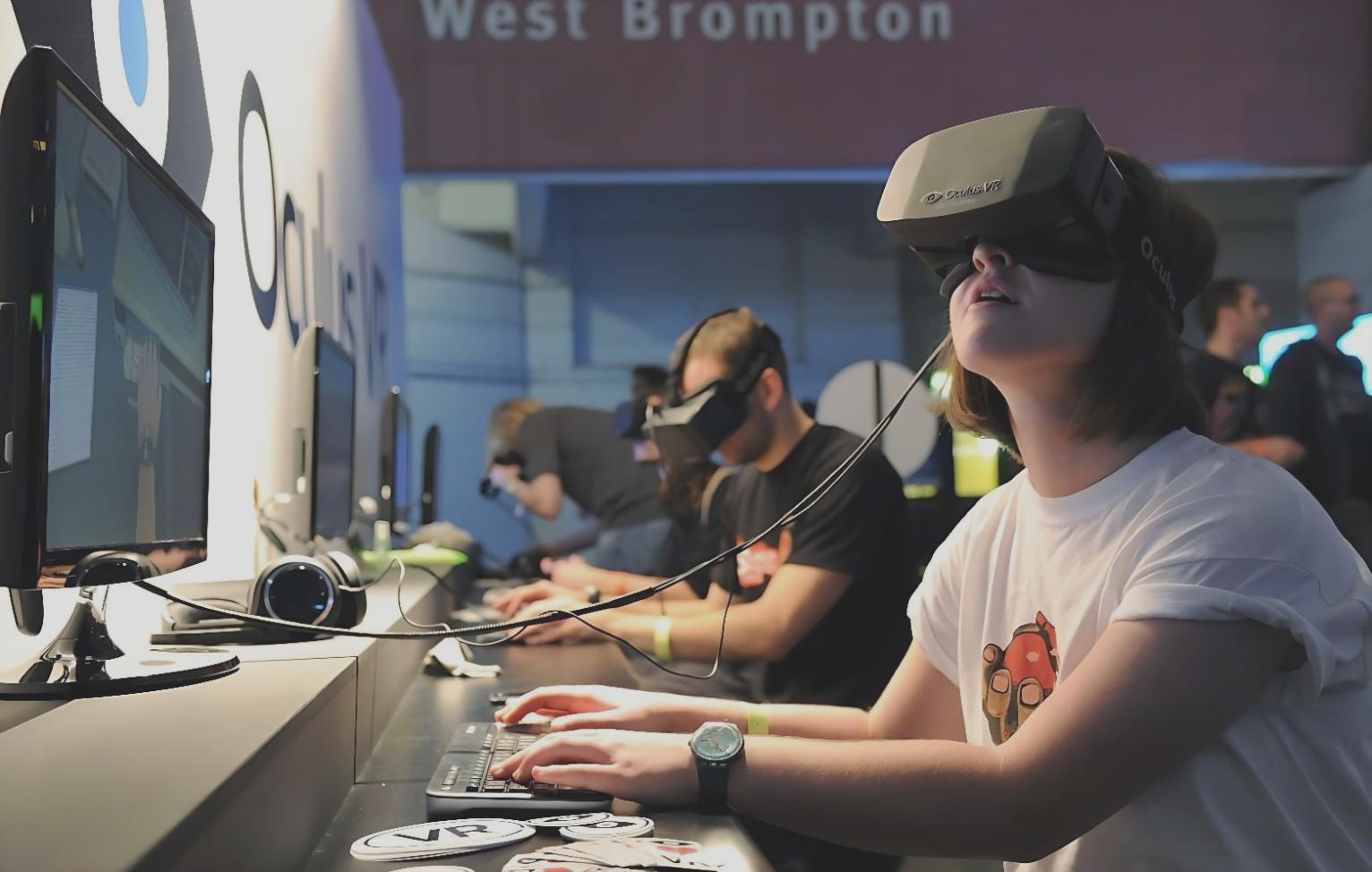

Serhiy spent three sessions confused, then shipped a puzzle mechanic that worked
He came in knowing Unity basics but unsure how to think about VR space. The assignments started small — a grabbable object, a locked door, a pressure plate — and built on each other until the confusion had somewhere to go.
"I expected someone to explain VR to me. Instead I broke things, got feedback, and fixed them. That felt more honest."
— Serhiy Kovalenko, workshop participant
- Weekly assignments run 90-minute focused sessions
- Feedback is specific to your build, not generic notes
- Collaboration tools let remote participants share scenes
What the commitment looks like Time, format, and what you are signing up for
A standard module runs six weeks. Sessions are online, twice weekly, roughly 2 hours each. Between sessions there are assignments — short enough to finish in an evening, specific enough to actually teach something.
Pricing is per module. There are no subscription tiers or upsell tracks. Access to recorded sessions is included so participants outside Zhytomyr can catch up on their own schedule.
Four tracks, one focus
Each module is standalone. Start at the one that fits where you are now.

VR Environment Design
Covers scene composition, lighting for presence, and the spatial decisions that shape how a player reads and moves through a VR space. Six weeks, includes access to scene review sessions.
See full detailsInteraction Prototyping
Hand tracking, controller input, and feedback design. Participants leave with working mechanics, not slides.
Learn moreNarrative in VR Space
How environmental storytelling replaces cutscenes. Covers object placement, audio cues, and pacing without a script.
Learn moreMultiplayer VR Basics
Shared virtual space, avatar presence, and session architecture. Practical for small teams building collaborative experiences.
Learn moreRecognition that came from the work itself
Pixelongate's approach to VR education has been cited in regional design programmes and referenced by practitioners who have gone on to work at studios in Kyiv, Warsaw, and Berlin.
The reputation is not from certifications or partnerships — it comes from what participants show publicly after completing a module.

"The assignments push you toward decisions you would have avoided in self-study. That specificity is what makes the difference."
— Olena Danyliuk, UX designer, Warsaw